

Castro de Viladonga Tour
Discover how Galicia's ancient Celtic inhabitants lived visiting the Castro de Viladonga Museum and Archaeological Site and explore the landscapes around the Miño River. Description.
- 3 heures
- 32 avis
Discover how Galicia's ancient Celtic inhabitants lived visiting the Castro de Viladonga Museum and Archaeological Site and explore the landscapes around the Miño River.
Description
Your tour starts with hotel pickup in Lugo, then travels to Castro de Rei, home to the ancient ruins of Castro de Viladonga.
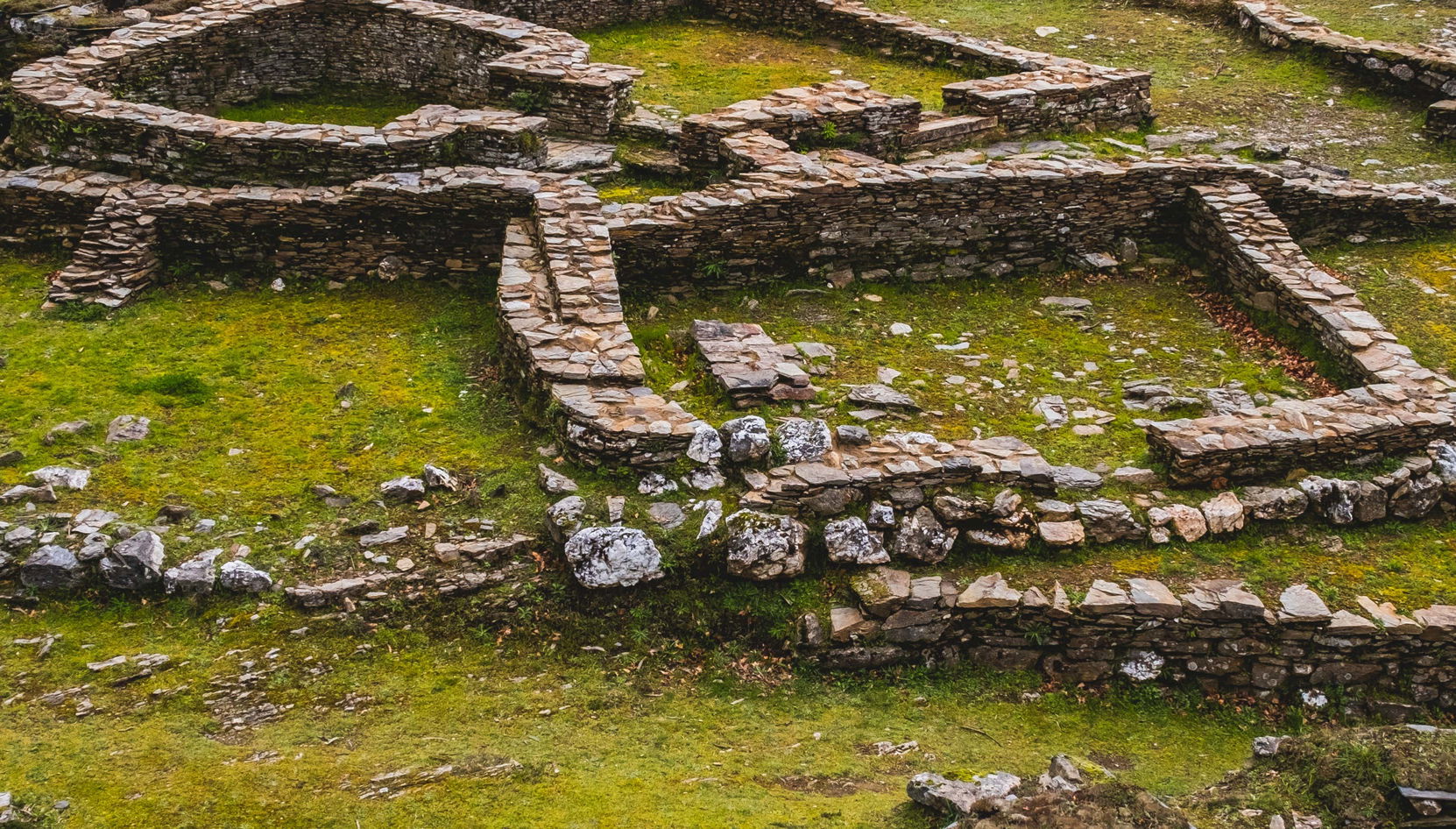
At the pre-Roman hillfort, you will have a guided tour of the archaeological site. Learn about the culture and lifestyle of the Celtic people through preserved city walls, houses, and public buildings. The complex provides insight into the "Castro culture" prevalent in north-western Spain and Portugal.
Next, visit the Castro de Viladonga Archaeological Museum to explore scale models and artefacts, enhancing your understanding of daily life in pre-Roman Galicia.
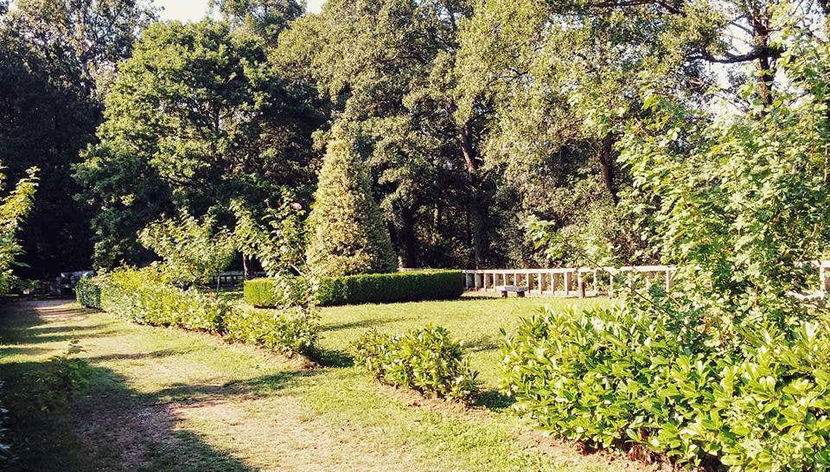
Following this, you will go to Fonmiñá Lake near Meira, enjoying the natural landscapes and the legends of the springs, originating from Pedregal de Irimia.
The tour concludes with your return journey to Lugo.
Important information
This excursion includes hotel pickup in Lugo around 9:30 am. If you're not staying in the city, meet at Praza de Bretaña at 10 am.
Prix
Inclus
- Hotel pickup and drop–off
- Transport by minibus
- Spanish–speaking guide
- Entrance to Castro de Viladonga Museum and Archaeological Site
Conseils
- Accessibilité: Not wheelchair accessible.
